Our Termite Control technicians use moisture meters and sounding tools to find damage hidden behind drywall long before it becomes a structural repair bill. Termite damage isn't covered by most homeowner insurance policies, which makes early detection in Weston properties a real financial issue, not just a cosmetic one.
We check the sill plate, foundation cracks, and crawl space for mud tubes and wood-to-soil contact before recommending treatment.
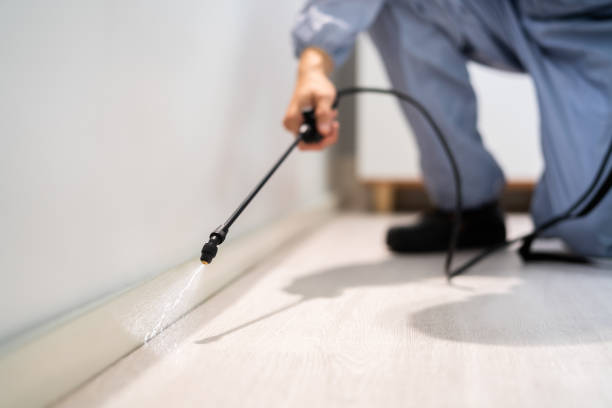
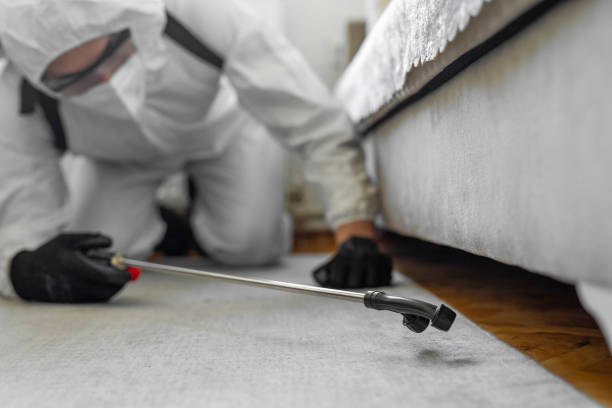

Our Termite Control crew is certified specifically for termiticide application, not general pest work.
We keep inspection slots open same-week for Weston homeowners seeing mud tubes or wings near windows.
Liquid barrier and bait station pricing is quoted after inspection, tied to linear footage and species found.
We use moisture meters, sounding hammers, and sometimes thermal imaging to find damage hidden behind finished walls.
Subterranean colonies travel through soil, so barrier treatment is mapped around the entire structure's perimeter.
Bait stations are placed around the property and checked on a monitoring schedule to catch new activity early.
We identify drywood frass (small pellet droppings) to pinpoint exactly which framing member needs treatment.
We provide a full written wood-destroying organism report accepted by most lenders as part of closing documents.
We document damage severity so you or your contractor know which framing needs structural attention.
Commercial properties get scheduled monitoring and renewal treatment under a documented termite protection plan.

Tell dispatch whether it's a swarm sighting or existing damage; swarm calls get expedited scheduling.
A technician arrives with moisture meters and inspection tools ready to check the foundation, crawl space, and framing.
We trace mud tubes, check for wood-to-soil contact, and identify subterranean versus drywood species before quoting.
Treatment is applied the same visit when possible, with monitoring visits scheduled to confirm the colony is gone.
Found mud tubes on the foundation during a routine check and Nex Pest Control had an inspector out within two days with a full written report.
Knowing the difference between drywood and subterranean species mattered — our treatment was completely different than what a neighbor got for the same symptom.
As a property manager, having a bonded termite plan on file made our annual insurance review painless.
We were about to list our house when the pre-listing inspection caught early subterranean activity — glad it was found before a buyer's inspector did.

Nex Pest Control dispatches termite-certified technicians throughout Weston and nearby communities for both inspections and treatment. We cover single-family homes, multi-unit buildings, and commercial properties across Weston with the same inspection standard and documentation.

Termite swarmers have straight antennae and a thick waist, unlike the bent antennae and pinched waist of flying ants.
Subterranean termites need soil contact and build mud tubes, while drywood termites live entirely inside dry wood without soil access.
Most lenders require a wood-destroying organism report as part of closing, and we provide one with full documentation.
Barrier treatments typically hold for several years, with monitoring visits confirming the barrier is still effective.
Most subterranean treatments are done outside the structure, so interior disruption is minimal.
If monitoring shows continued activity, we return and address it at no additional charge under your plan.
Call +1-866-315-0243 for a free inspection and written treatment quote.
Call +1-866-315-0243